
Why Phantom Became My Go-To Solana Wallet (and What You Should Know)

Okay, so check this out—I’ve been living in the Solana ecosystem for a while, bouncing between wallets, dapps, and NFT drops. At first I was skeptical about browser extensions. Security concerns popped into my head immediately. But over time I kept coming back to Phantom because it struck a useful balance: fast UX, solid features, and reasonably tight security for everyday use. Wow—it’s not perfect, but it works a lot of the time for the things I actually do.
Phantom is a browser extension wallet built for Solana. It’s simple on the surface. Yet underneath, it handles token swaps, staking, NFT management, and dapp connections without much fuss. My instinct said “this will be clunky,” but then I tried bridging an NFT drop and—surprisingly—it just worked. Seriously, that small win mattered.
Here’s the thing. If you’re shopping for a wallet extension that won’t get in your way during gasless Solana interactions, Phantom should be on your shortlist. I’m biased, sure. I use it daily. And yes, there are trade-offs—like any extension-based wallet—but for most users who interact with NFTs and DeFi on Solana, it nails the basics while adding a few extras.
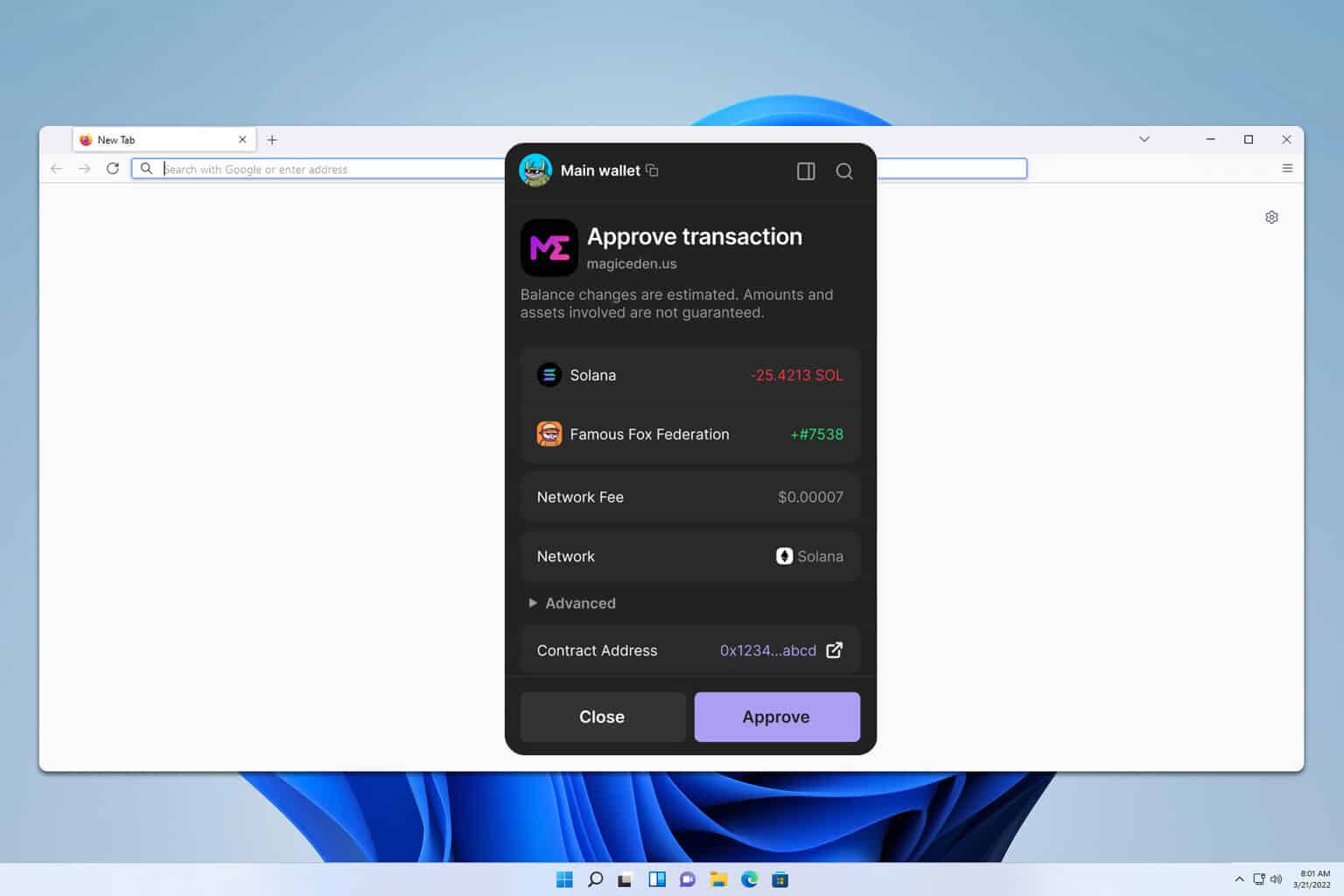
What Phantom Does Well
Speed. The Solana network is fast and Phantom keeps pace. Transactions show up quickly. That’s a huge UX win when you’re trying to mint or flip NFTs during a drop. Convenience. It integrates with most Solana dapps and makes connecting painless—no repeated copy-pasting of keys. Security features are straightforward too: seed phrase backup, password lock, and optional hardware-wallet support if you want an extra layer.
Token management is clean. You can view SPL tokens, send, receive, and perform in-wallet swaps without leaving the extension. The swap feature uses on-chain liquidity sources; so while it’s not always the absolute cheapest route, it saves time and steps. For collectors, the NFT gallery gives a neat, visual way to manage collectibles—no clutter, mostly what you need.
If you’re ready to try it, you can get the phantom wallet extension and follow the setup prompts. Do make sure you are on the correct store page before installing—scammers exist, and I wish that wasn’t a caveat we still have to say out loud.
Where Phantom Could Improve
Nothing’s flawless. For one, extensions are inherently more exposed than hardware or isolated mobile wallets. That means you have to be careful with connected sites and approvals. Also, advanced DeFi strategies sometimes push the limits of the extension UI—if you do a lot of multi-step on-chain work, you might outgrow it. I found some edge cases where token approvals get confusing. Oh, and the recovery UX could be friendlier for absolute beginners—seed phrases are intimidating, and Phantom doesn’t fully remove that friction.
Another practical gripe: sometimes the extension prompts pile up during heavy web traffic or when multiple dapps request signatures. It’s a small annoyance, but annoying enough to break my flow occasionally. Still, these are usability nits, not dealbreakers for most users.
Tips I Use Daily
Keep your seed phrase offline. Seriously—write it and stash it somewhere safe. Use a strong password for the extension. Consider a hardware wallet for larger holdings. Don’t auto-connect to unknown sites. When a dapp asks for signature approvals, take a second. Read the permission. If you’re not sure, disconnect and investigate. These steps add seconds to your process, but they save you from headaches later.
Also, clear your extension cache or reinstall if things get buggy after a browser update. Sounds trivial, but it resolved a phantom (ha) issue for me more than once. And back up your NFTs—some platforms allow metadata snapshots; others don’t. Be aware of where your assets are registered and what you can recover if something goes south.
FAQ
Is Phantom safe for NFTs and small DeFi trades?
For everyday use—yes. Phantom is widely used for NFT drops and casual DeFi on Solana. For very large holdings or complex trades, pair it with a hardware wallet or use a more isolated signing method.
Can I use Phantom on multiple browsers?
Yes. Phantom supports popular Chromium-based browsers and typically has versions for Firefox and Chrome variants. Just install the extension on each browser and import your wallet using your seed phrase or recovery method. Be cautious—don’t paste your seed phrase on any page or connector except the official extension UI.
What if I lose my seed phrase?
Without the seed phrase or a hardware backup, recovery is effectively impossible. Phantom, like other non-custodial wallets, doesn’t store your keys. So backing up your phrase is the single most important step. I’m not 100% comfortable repeating how critical it is, but trust me—backup it.